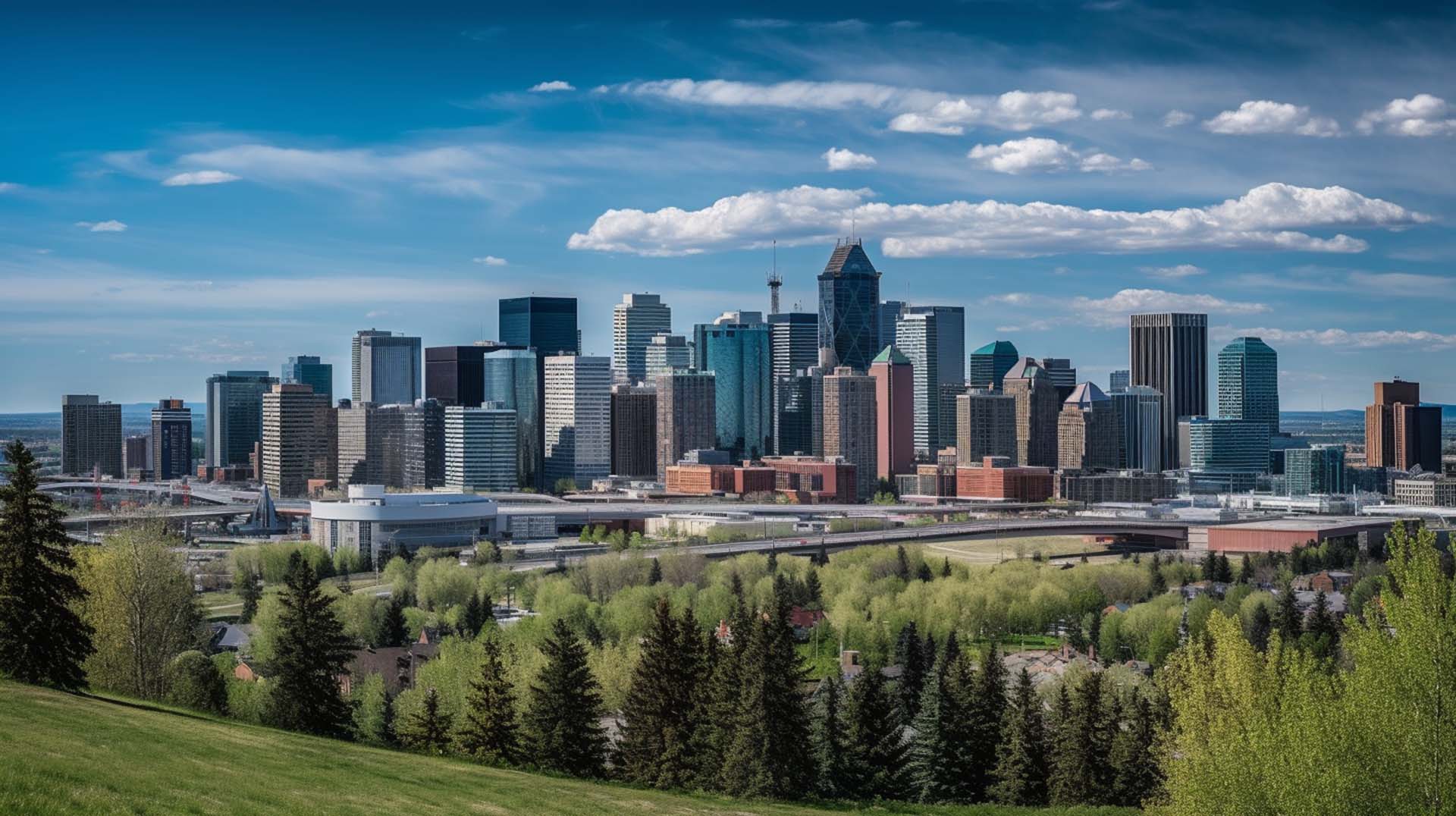
Cosmetic Plastic Surgery in Alberta
In recent years, cosmetic surgery (also known as plastic surgery) has grown in popularity in Alberta. With its beautiful landscapes and bustling cities, Alberta offers a variety of cosmetic surgery procedures to its residents and visitors alike.
Facelifts and tummy tucks are just some of the options that can be used to enhance your appearance.
Cosmetic Plastic Surgery Clinics & Plastic Surgeons Near You
 Airdrie, AB
 Barrhead, AB
 Brooks, AB
 Calgary, AB
 Camrose, AB
 Chestermere, AB
 Cochrane, AB
 Cold Lake, AB
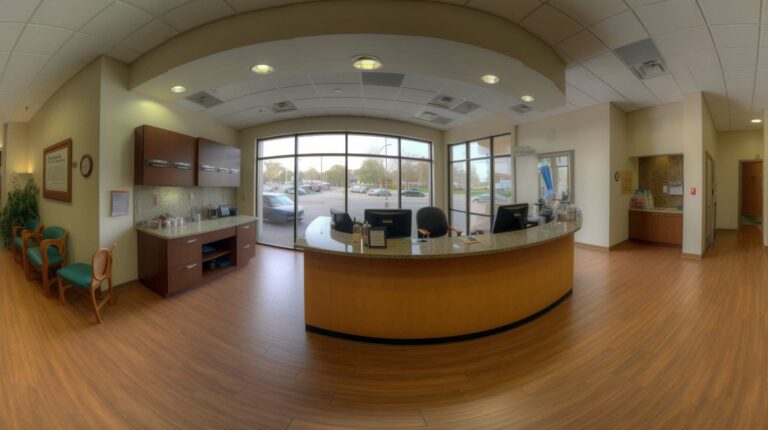 Edmonton, AB
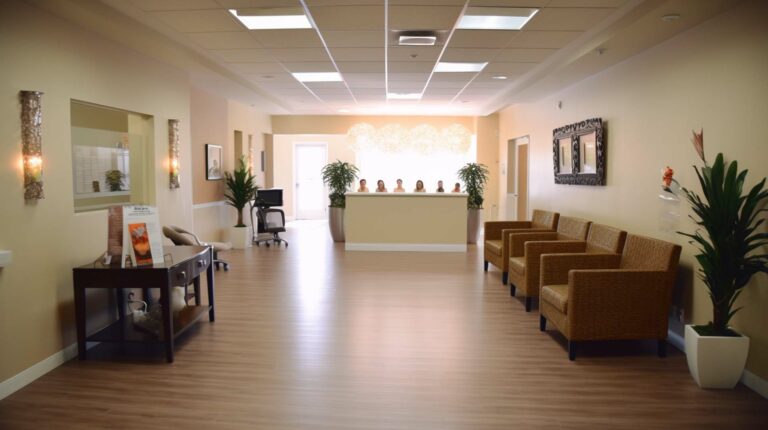 Foothills, AB
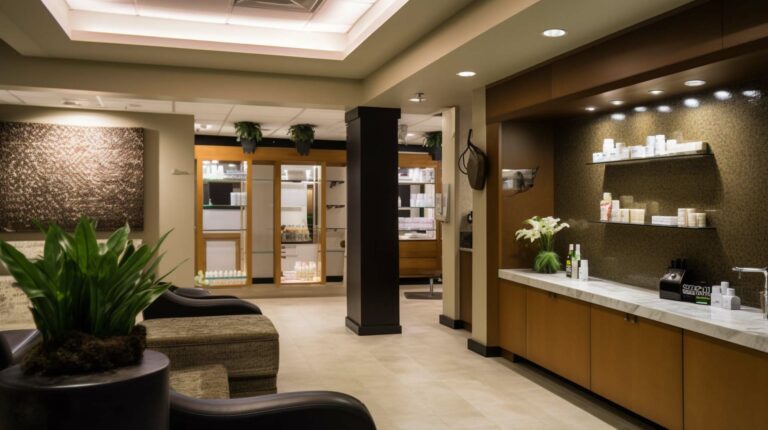 Fort McMurray, AB
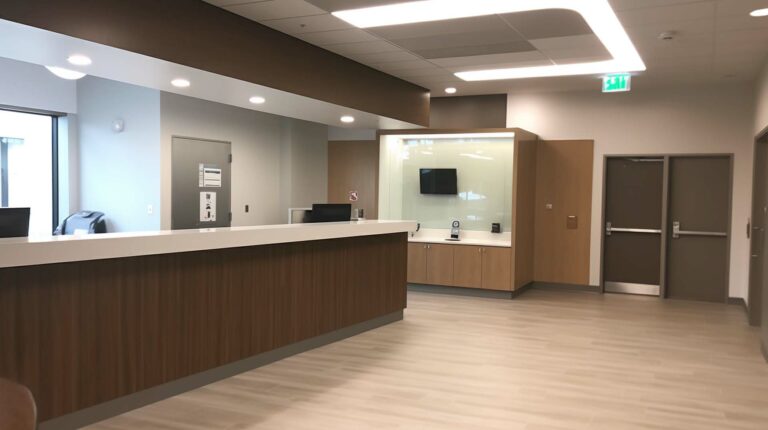 Fort Saskatchewan, AB
 Grande Prairie, AB
 High River, AB
 Lacombe, AB
 Leduc, AB
 Lethbridge, AB
- Lloydminster, AB
- Medicine Hat, AB
 Okotoks, AB
 Red Deer, AB
 Rocky View, AB
 St. Albert, AB
 Strathcona County, AB
 Strathmore, AB
 Sylvan Lake, AB
 Wetaskiwin, AB
- Wood Buffalo, AB
Cosmetic Plastic Surgery Procedures in Alberta
Facial Rejuvenation

Brow Lift (Forehead Lift)

Buccal Fat Removal (Cheek Reduction)

Ear Surgery (Otoplasty)

Eyelid Surgery (Blepharoplasty)

Facelift Surgery (Rhytidectomy)

Facial Fat Grafting (Fat Transfer)

Lip Lift Surgery

Neck Lift (Lower Rhytidectomy)

Nose Surgery (Rhinoplasty)
Frequently Ask Questions (FAQ)
1. Which cosmetic plastic surgery options are offered in Alberta?
Cosmetic plastic surgery in Alberta, Canada includes facial, breast, and body procedures tailored to your goals. Commonly considered options are breast augmentation, breast lift, tummy tuck, liposuction, facelift, eyelid surgery, rhinoplasty, and body contouring after weight loss. The right choice depends on your anatomy, medical health, skin condition, and expectations. The consultation process helps determine whether an operation, a non-surgical option, or a combined approach is right for you.
2. What helps patients choose a qualified Alberta cosmetic plastic surgeon?
It is important to select a physician with plastic surgery certification from the Royal College of Physicians and Surgeons of Canada. You can also use the College of Physicians and Surgeons of Alberta, to check current registration and disciplinary information. Important discussion points include experience with your specific procedure, before-and-after photos of comparable patients, hospital privileges when relevant, and management of complications. The right setting allows you to feel heard and able to decide without being rushed.
3. Is there Alberta coverage for cosmetic procedures in Alberta?
Most cosmetic procedures are not covered by Alberta because they are performed to improve appearance, rather than to address a medical condition. Surgery may be covered when its purpose is to restore function, treat trauma, or address a medically necessary concern. For instance, consideration may be given to upper eyelid surgery when loose upper-lid skin interferes with sight. At your consultation, we can explain likely costs, facility charges that may apply, and any possible Alberta relevance.
4. How does a cosmetic surgery consultation work?
The first focus should be your goals, not selling. You will discuss past health concerns, medications, prior surgery, lifestyle factors, and desired changes. The examination is used to evaluate the elasticity of your skin, tissue volume, facial balance, or body shape. You deserve a straightforward explanation of recommended procedures and their scars, recovery, risks, and expenses. It is also a chance to discuss what matters to you and evaluate the proposed approach.
5. What risks should I know about cosmetic plastic surgery?
Although all surgery has risks, good planning helps manage and reduce those risks. The procedure, the surgical environment, anesthesia, your health, and recovery care, all influence safety. It is important to understand risks such as bleeding, scars, blood clots, infection, sensation changes, and later corrective surgery. Complication risks can rise with smoking, nicotine products, uncontrolled diabetes, and certain medications. A thorough assessment and an honest review of your medical history are essential before surgery proceeds.
6. How long does recovery take after cosmetic plastic surgery?
Recovery is different for every procedure and every patient. Although one to two weeks may be enough for desk-based work after facial surgery, breast surgery, or liposuction, tummy tuck and body lift procedures often require a longer recovery. Bruising and swelling do not disappear immediately, and final results may take several months to settle. You will be guided through recovery with advice about how and when to resume normal tasks, along with wound care and garment use.
7. Can plastic surgery scars fade over time?
While scars are part of the healing process, incisions are carefully located and aftercare supports better healing. Over many months, scars often change from red or dark pink to a lighter colour. How a scar ultimately looks is shaped by the procedure, genetics, skin type, sun exposure, tension on the incision, and healing habits. Good scar care, no nicotine use, and sun protection for healing skin can make a meaningful difference.
8. Is it possible to combine cosmetic procedures in one surgery?
Selected patients may benefit from combining procedures, which can involve a single time under anesthesia and one recovery period. Examples of combined procedures include a combined breast lift and augmentation, or a tummy tuck with liposuction. However, combining surgery is not always the safest, least costly, or best option. Your overall health, the length of surgery, blood-loss risk, and the complexity of each procedure, guide the decision. Your plan should put safe decision-making above convenience.
9. What is the difference between plastic surgery and non-surgical cosmetic treatments?
By changing tissue through an operation, plastic surgery can provide durable improvement to underlying shape and structure. Non-surgical options may offer a refreshed appearance with less downtime, including laser treatments, medical-grade skin care, fillers, and neuromodulators. They cannot always replace surgery for excess skin, meaningful volume loss, or major changes in contour. For example, a facelift treats significant facial tissue laxity, while injectables may soften wrinkles or provide small-volume restoration. The best option depends on the issue you want to address.
10. How can I plan for cosmetic surgery recovery in Alberta?
Good preparation begins ahead of the day of your procedure. You should organize your recovery schedule, help at home, and a safe post-surgery ride. It is important to report your health conditions, medicines, supplements, allergies, and use of nicotine or cannabis. You may be asked to stop certain products before surgery because they can make bleeding or healing more difficult. A smoother return home starts when you fill prescriptions in advance, prepare easy meals, and create a comfortable recovery space.