
Cosmetic Plastic Surgery in New Brunswick
In the last few years, plastic surgery and cosmetic surgery have become more popular in New Brunswick. New Brunswick, with its stunning landscapes and vibrant cities, offers cosmetic surgery procedures for both residents and tourists.
From facelifts to tummy tucks, there are numerous options available to those seeking to enhance their appearance.
Cosmetic Plastic Surgery Clinics & Plastic Surgeons Near You
 Bathurst, NB
 Campbellton, NB
 Canterbury, NB
 Dieppe, NB
 Edmundston, NB
 Fredericton, NB
 Miramichi, NB
 Moncton, NB
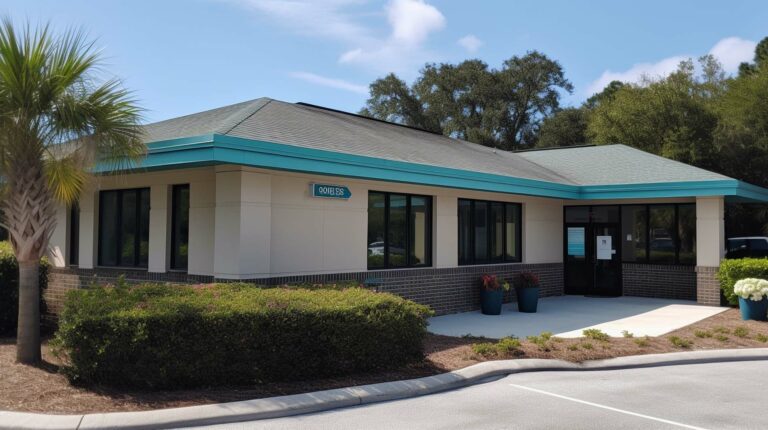 Quispamsis, NB
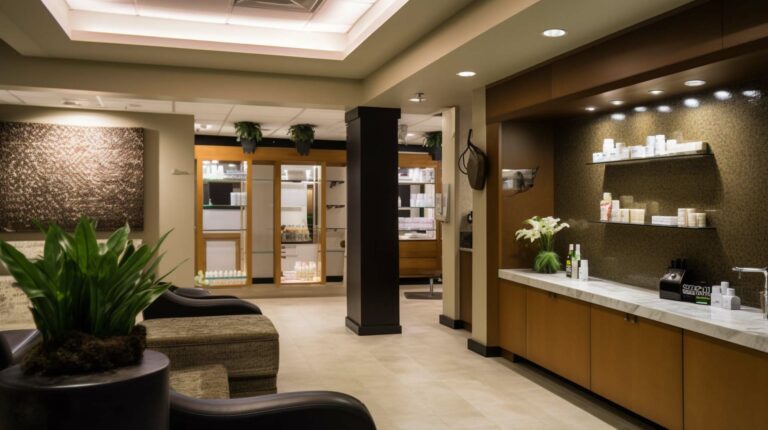 Riverview, NB
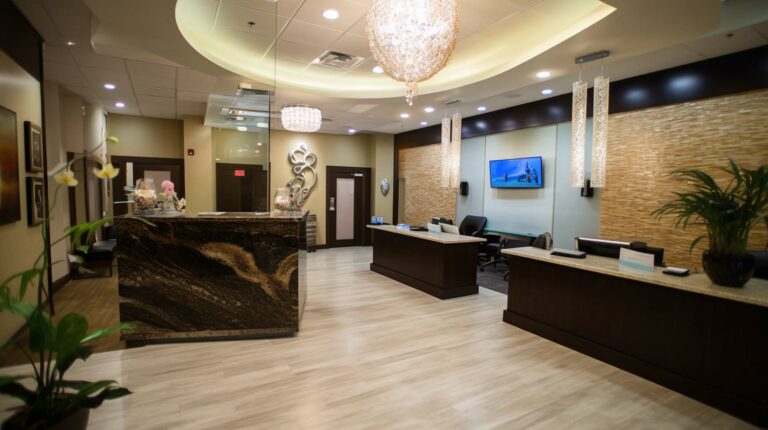 Saint John, NB
Cosmetic Plastic Surgery Procedures in New Brunswick
Facial Rejuvenation

Brow Lift (Forehead Lift)

Buccal Fat Removal (Cheek Reduction)

Ear Surgery (Otoplasty)

Eyelid Surgery (Blepharoplasty)

Facelift Surgery (Rhytidectomy)

Facial Fat Grafting (Fat Transfer)

Lip Lift Surgery

Neck Lift (Lower Rhytidectomy)

Nose Surgery (Rhinoplasty)
Frequently Ask Questions (FAQ)
1. What types of cosmetic plastic surgery can patients consider in New Brunswick?
Cosmetic plastic surgery in New Brunswick, Canada includes facial, breast, and body procedures tailored to your goals. Available procedures may range from facial surgery, breast surgery, and body contouring procedures. Choosing the right approach requires a close look at your anatomy, overall health, skin quality, and expectations. During a consultation, you can learn whether surgery, non-surgical treatment, or a combination approach is most appropriate.
2. How do I choose a qualified cosmetic plastic surgeon in New Brunswick?
When researching your options, look for Royal College of Physicians and Surgeons of Canada certification in plastic surgery. You can also use the College of Physicians and Surgeons of New Brunswick, to check current registration and disciplinary information. Ask about your procedure, similar-patient results, hospital privileges when relevant, and how problems after surgery are handled. You should feel comfortable asking questions, properly informed, and never pressured to move fast.
3. Can New Brunswick pay for cosmetic plastic surgery in New Brunswick?
New Brunswick does not usually cover cosmetic procedures, as they are appearance-focused rather than medically necessary. Surgery may be covered when its purpose is to restore function, treat trauma, or address a medically necessary concern. For example, upper eyelid surgery may be considered when extra skin on the upper eyelid limits the visual field. We can review anticipated charges, any facility costs, and potential New Brunswick coverage during your consultation.
4. How does a cosmetic surgery consultation work?
A thoughtful consultation begins with your concerns, not a sales pitch. We will ask about your health history, medications, past surgeries, lifestyle, and desired outcome. An assessment of your skin, tissue volume, facial balance, or body shape helps guide the plan. You deserve a straightforward explanation of recommended procedures and their scars, recovery, risks, and expenses. It is also a chance to discuss what matters to you and evaluate the proposed approach.
5. How safe is cosmetic plastic surgery?
No operation is risk-free, but careful planning can reduce those risks significantly. Your safety depends on the planned surgery, your medical condition, the setting, anesthesia, and proper recovery follow-through. Complications can include blood clots, bleeding, infection, scarring, sensation changes, and a need for another operation. Complication risks can rise with nicotine use, smoking, poorly controlled diabetes, and some medicines. It is essential to have a complete assessment of your health before moving ahead.
6. What is the recovery time for cosmetic plastic surgery?
Healing time depends on the type of surgery and the person recovering. After facial surgery, breast surgery, or liposuction, many people can resume desk-based work in one to two weeks, but a tummy tuck or body lift may require additional time away. Swelling and bruising reduce slowly, and the final outcome may not settle for several months. Your recovery plan will include individualized advice on wearing compression garments, wound care, activity restrictions, driving, exercise, and follow-up care.
7. What should I know about scars from cosmetic plastic surgery?
While scars are part of the healing process, incision placement and aftercare are planned to make them as discreet as possible. It is common for scars to begin red or dark pink and gradually lighten over several months. The final scar can vary based on the procedure, genetics, skin type, sun exposure, tension on the incision, and healing habits. You can support scar healing by staying consistent with aftercare, avoiding nicotine, and protecting the scar from sun.
8. Is it possible to combine cosmetic procedures in one surgery?
For selected patients, combining procedures can be practical because it may mean one anesthetic and a shared recovery period. Two frequently discussed combinations are a breast lift plus augmentation, along with tummy tuck plus liposuction. Even when procedures can be combined, this does not automatically make surgery more appropriate for every patient. The plan is determined by your health profile, the expected surgical time, risk of blood loss, and procedure complexity. Your plan should put safe decision-making above convenience.
9. Should I choose plastic surgery or non-surgical cosmetic treatments?
An operation allows plastic surgery to change tissue and create a longer-term improvement in form and contour. Non-surgical treatments, such as laser treatments, medical-grade skin care, dermal fillers, and injectable neuromodulators, may refresh the appearance with less downtime. They cannot always replace surgery for loose skin, significant volume loss, or major contour changes. For example, a facelift treats deeper looseness in the face, while injectables may soften wrinkles or provide small-volume restoration. The best option depends on your individual needs.
10. How do I get ready for cosmetic plastic surgery in New Brunswick?
The process of getting ready begins in advance of surgery. Plan ahead by arranging time away from work, help at home if needed, and reliable transportation after surgery. Tell us about all medications, supplements, allergies, and health conditions, including any nicotine or cannabis use. You may need to stop some products ahead of surgery if they could complicate surgery or recovery. It helps to have prescriptions ready, prepare simple food, and set up a comfortable recovery area.