
When you decide to change an aspect of your appearance, that is a very individual decision, and it deserves careful thought. For anyone who has been mulling over cosmetic plastic surgery in Newmarket, ON, it is normal to feel a blend of enthusiasm and uncertainty. That reaction is perfectly to be expected. We are here to offer you clear and honest guidance so you can proceed with confidence feeling educated instead of overwhelmed.
Newmarket is a place that celebrates health, an active, outdoorsy way of life, and looking as good as you feel. People here value feeling confident in their own skin. Cosmetic surgery in Newmarket includes a wide range of procedures, from subtle refreshes to more involved surgeries, and each should be tailored to your body, your goals, and your comfort level.
We detail the most common face and body procedures, non-surgical options, what recovery is truly like, realistic costs in Ontario, and how to locate a suitably qualified surgeon. Consider this as a starting point, and when you are ready, a one-on-one consultation is by far the best way to get answers tailored to you.
Best Cosmetic Plastic Surgeons Near You in Newmarket, Ontario, L3X
Are you looking for a cosmetic plastic surgeon in Newmarket? Check out these local options for the perfect procedure.
You can be assured of the best care, whether you are looking for a minor change or a major one. Many plastic surgery clinics offer minimally invasive treatments such as Dermal Fillers, Chemical Peels and Microdermabrasion.
There’s a clinic to suit your cosmetic surgery needs, no matter what they are.


Cosmetic Plastic Surgery Procedures in Newmarket, ON
Discover the power of different procedures in Newmarket, ON. From a subtle face enhancement to a dramatic contouring, you can find them all. Newmarket, Ontario, offers a variety of cosmetic surgeries that are designed to achieve the desired results.








Buccal Fat Removal (Cheek Reduction)
Some people have fullness in the lower cheeks that gives a rounded, baby-faced look that no amount of exercise can change. Buccal fat removal, a type of cheek reduction, takes out a small pad of fat deep in the cheek to reveal more defined contours below the cheekbone.
This is a small procedure, but it should be approached with care. Taking out too much fat can lead to a gaunt look later in life, so a cautious, well-planned approach is best.
Chin Surgery (Genioplasty, Mentoplasty)
When the chin is weak or receding, it can throw off the balance of the whole face and make the nose look larger than it is. The procedure known as chin surgery, called genioplasty or mentoplasty, adds projection and definition, often with an implant or by reshaping the bone.
Work on the chin pairs beautifully with nose surgery, since the two features work together to achieve profile balance. Adding a stronger jawline can also improve how the neck looks.
Body Contouring Procedures in Newmarket, ON
Diet and exercise can take you far, but they are unable to fix loose skin, separated muscles, or stubborn fat that simply won’t shift. Designed to refine stubborn areas, body procedures step in when lifestyle changes no longer make a difference, whether following pregnancy, significant weight loss, or the natural passage of time.
Breast Augmentation (Augmentation Mammoplasty)
Breast augmentation, or augmentation mammoplasty, enhances both the size and shape of the breasts using implants or, in some cases, your own fat transferred from elsewhere. Patients choose it for many reasons: to bring back volume lost after breastfeeding, to correct uneven breasts, or simply to feel more proportionate.
There are several choices to make: the type of implant (silicone or saline), the shape and size, and the placement of the implant. A careful consultation ties these choices to your frame and your goals, so the result ends up both looking and feeling right.
Breast Lift (Mastopexy)
Pregnancy, weight change, and simply the passage of time can leave the breasts less firm and positioned lower than they once were. A breast lift, medically called mastopexy, lifts and restores shape to the breasts by removing loose skin and lifting the tissue, and it need not change their size.
If your goal is to be both lifted and fuller, an implant can be added to the lift. Should your breasts feel too large, a reduction usually includes a lift as well.
Breast Reduction (Reduction Mammaplasty)
Very large breasts can be the source of real physical strain, such as back and neck pain, shoulder grooves carved by bra straps, rashes, and difficulty exercising. Breast reduction (reduction mammaplasty) takes away surplus tissue and skin, leaving a lighter and better-proportioned shape.
It’s one of those procedures that’s often as much about comfort and health as it is about appearance. Because of that, medically necessary reductions may be partly covered under your public health plan when strict criteria are met, so it’s worth asking about.
Tummy Tuck (Abdominoplasty)
By removing loose skin and fat from the belly and tightening the underlying muscles, a tummy tuck (abdominoplasty) reshapes the midsection. Pregnancy or significant weight loss can cause the abdominal muscles to separate, a condition called diastasis recti, which no amount of core work will fully repair.
Repairing those muscles, a tummy tuck results in a firmer, flatter midsection. It’s a more significant surgery that takes longer to recover from, so realistic planning around work and family life matters.
Mommy Makeover
The changes pregnancy and breastfeeding bring to the body can be hard to undo without help. Rather than a single operation, a mommy makeover is a personalized mix of procedures — frequently a breast lift or augmentation paired with a tummy tuck and, in some cases, liposuction.
Combining procedures into one surgery can mean a single recovery period instead of several. Whether this approach fits you hinges on your health, your goals, and how much recovery time you can set aside.
Liposuction (Lipoplasty)
Liposuction, or lipoplasty, gets rid of stubborn pockets of fat that resist diet and exercise — the flanks, thighs, belly, back, or under the chin. It’s a contouring tool, not a weight-loss method, and works best on people who are already close to a stable weight.
Modern approaches tend to be gentler than older methods while still being very precise. The fat taken out can occasionally be transferred to another area such as the face or buttocks, offering a two-in-one benefit.
Arm Lift (Brachioplasty)
Loose, sagging skin on the upper arms — the so-called “bat wings” — often shows up after major weight loss or with age. An arm lift, known as brachioplasty, removes that extra skin and tightens the area for a firmer contour.
Given the scar along the inner arm, the procedure is a good fit for people troubled enough by the looseness to accept that trade-off. A skilled surgeon positions the scar where it stays least visible.
Thigh Lift (Thighplasty)
Similar to an arm lift, a thigh lift, or thighplasty, addresses loose skin on the inner or outer thighs, most often after significant weight loss. By tightening and smoothing the area, it makes the legs appear more toned.
For those who have lost a great deal of weight and are left with hanging skin in several areas, thigh lifts are often part of a wider body-contouring plan.
Minimally Invasive Treatments in Newmarket, Ontario
Some concerns simply don’t require surgery. Non-surgical, minimally invasive options can ease lines, refresh skin, and restore lost volume with little to no downtime. Many patients rely on these on their own or to maintain surgical results over time.
BOTOX Treatments
As a purified form of botulinum toxin, BOTOX relaxes the small muscles behind expression lines. It’s most often used for frown lines between the brows, forehead creases, and crow’s feet around the eyes.
Treatments last just minutes, while the results surface within a few days and stick around for about three to four months. It ranks among the most popular refreshers thanks to being quick, predictable, and needing no recovery time.
Chemical Peels
A chemical peel applies a solution that lifts away the damaged outer layers of skin, exposing smoother, brighter skin underneath. Because peels come in light, medium, and deep strengths, they can target anything from dullness to sun damage and fine lines.
As summers grow stronger these days, sun-related pigment changes appear more often, and peels can help even out tone.
Dermal Fillers
Dermal fillers, commonly made from a naturally occurring substance called hyaluronic acid, plump up places where the face has thinned. Fillers can add fullness to lips, soften the folds around the mouth, bring back cheek volume, and smooth under-eye hollows.
Results appear immediately and generally hold from several months to over a year, based on the product and area treated. Since the effects are temporary, they offer a low-commitment way to try a change.
Dermabrasion
Dermabrasion is a resurfacing treatment that gently sands away the top layers of skin. It’s a good option for softening acne scars, deeper wrinkles, and uneven skin texture.
Because it goes deeper than an ordinary facial, some healing time is needed as the new skin forms. It’s a better fit for specific texture concerns than for general maintenance.
Microdermabrasion
Microdermabrasion stands as the milder cousin of dermabrasion. It gently exfoliates just the surface of the skin to address dullness, mild texture issues, and clogged pores, with virtually no downtime.
Many people set up a series of sessions to achieve a fresh, healthy glow, especially in the lead-up to an event. It serves as a good first step for people new to skin treatments.
Laser Skin Resurfacing
Laser skin resurfacing harnesses focused light energy to improve tone, texture, fine lines, and sun damage. Various lasers focus on various concerns, from surface pigment all the way to deeper collagen rebuilding.
Downtime varies with how deep the treatment reaches, from a day or two of redness to an extended peeling period for stronger settings. Because laser reacts with pigment, careful planning matters for all skin tones.text
Who is a Candidate for Cosmetic Plastic Surgery?
What the best candidates share is a handful of qualities, and not one concerns being “perfect”. What truly matters is being healthy enough for surgery and honest with yourself about what it can and cannot achieve. Broadly speaking, a good candidate:
- Is in good overall health with no uncontrolled medical conditions that raise surgical risk.
- Is a non-smoker, or is willing to stop for several weeks before and after surgery, since smoking slows healing and raises the risk of complications.
- Is at or near a stable weight, especially for body procedures, so results last.
- Has realistic expectations and wants improvement rather than perfection.
- Is making the decision for themselves, not to please a partner or meet someone else’s standard.
- Understands the recovery involved and can arrange the needed time and support.
If you have a chronic condition, that doesn’t automatically rule you out. It simply signals that a careful health review belongs in the plan. A responsible consultation always includes an honest conversation about whether a procedure is right for you at this time, and sometimes the most caring answer is “not yet” or “let’s try something less invasive first”.
Cosmetic Surgery Risks and Complications
Every procedure carries a degree of risk, and anyone who tells you differently isn’t being straight with you. The good news: with a skilled surgeon, a proper facility, and healthy habits, serious problems are uncommon. Even so, you deserve to know exactly what they are. Risks that appear across most procedures include:
- Bleeding or a collection of blood under the skin, known as a hematoma.
- Infection, which is usually managed with antibiotics when caught early.
- Poor scarring, since everyone heals differently.
- Numbness or changes in sensation that are often temporary but can occasionally last.
- Reactions to anesthesia, which is why a pre-surgery health review matters.
- Fluid buildup, called a seroma, more common with larger procedures.
- Blood clots in the legs or lungs, which is why early movement after surgery is encouraged.
- Results that need revision, since no honest surgeon can guarantee an exact outcome.
You can reduce your risk by picking a properly certified surgeon, being upfront about your medical history and medications, sticking closely to pre- and post-operative instructions, and steering clear of smoking. Ask your surgeon point-blank which risks matter most for your particular procedure and health. A reliable provider takes those questions seriously rather than waving them off.
Recovery and Results
Recovery is what patients frequently underestimate, so let’s be honest about it. Rather than an event, healing is a process, and the final result commonly takes months to show fully as swelling settles and tissues loosen. Here’s roughly what to expect, though your surgeon will give you a timeline for your specific procedure:
- The first days: Expect swelling, bruising, and some discomfort, managed with rest and prescribed medication. Minor procedures may need only a day or two; larger surgeries need more.
- The first weeks: Many people return to desk work within one to three weeks, depending on the procedure. Compression garments may be worn for body contouring.
- Six weeks and beyond: Most people resume exercise and normal activity around this point, with your surgeon’s clearance.
- Three to twelve months: Swelling continues to fade, scars soften and lighten, and the true result becomes clear.
A few simple habits truly help: rest when your body asks for it, keep incisions clean, stay well hydrated, eat well, walk gently to keep the blood flowing, and protect your scars from the sun. Considering how much time we spend outdoors, careful sun protection ranks among the best things you can do for your scars and your skin. Patience truly is your best ally here. Hurrying your recovery is the surest route to disappointment.
Cosmetic Plastic Surgery Cost in Newmarket, ON
The price is one of the most frequently asked questions, and it’s a perfectly reasonable one. Within Ontario, entirely cosmetic procedures fall under the elective heading, meaning the province’s public health insurance won’t pay for them. The expense comes out of your own pocket. The exception comes with medically necessary procedures, such as select breast reductions or eyelid surgery blocking vision, which may be considered for partial coverage under strict criteria.
Costs range widely based on the procedure, its complexity, the anesthesia used, the facility charges, and how experienced the surgeon is. To set expectations, here are approximate Newmarket price ranges in Canadian dollars. Consider these ballpark figures only, because your actual quote will hinge on your specific plan:
- BOTOX: roughly $10 to $18 per unit, with most treatments using several units.
- Dermal fillers: roughly $600 to $1,200 per syringe.
- Eyelid surgery: roughly $4,000 to $8,000, depending on how many lids are treated.
- Rhinoplasty: roughly $10,000 to $18,000.
- Facelift: roughly $15,000 to $30,000 or more.
- Breast augmentation: roughly $9,000 to $15,000.
- Tummy tuck: roughly $12,000 to $20,000.
- Liposuction: roughly $5,000 to $12,000, depending on the number of areas.
A proper quote normally includes the surgeon’s fee, the anesthesia, the operating facility, follow-up visits, and any garments or supplies. Be cautious of prices that look unusually low, since they may omit important costs or point to a less experienced provider or a less safe facility. The least expensive option is rarely the best value when your health and your results are on the line.
Financing
As cosmetic procedures are paid out of pocket, plenty of patients break the cost up over time. Several medical financing companies in Canada run payment plans tailored to elective procedures, so you can pay in monthly installments rather than all upfront. Some common ways to meet the cost include:
- Medical financing plans with fixed monthly payments over a set term.
- In-house payment arrangements, where available.
- Personal lines of credit or credit cards, though you should compare interest rates carefully.
Get a full written cost breakdown before committing, and read any financing plan’s terms carefully so the interest and total amount are clear to you. A reputable provider will be upfront about pricing and never pressure you into a decision.
How to Find a Qualified Cosmetic Plastic Surgeon in Newmarket
This is the single most important decision you’ll make, more important than the specific procedure. In Canada, the phrase “cosmetic surgery” isn’t tightly protected, so the quality of training among providers can vary widely. Do your due diligence. Here’s how you can protect yourself:
- Check certification. Look for a surgeon certified by the Royal College of Physicians and Surgeons of Canada in Plastic Surgery. This confirms years of accredited surgical training.
- Confirm licensing. Every practising surgeon must be registered with the College of Physicians and Surgeons of Ontario, which you can verify online.
- Look for professional membership. Membership in bodies like the Canadian Society of Plastic Surgeons (CSPS) signals a commitment to standards and ongoing education.
- Ask about the facility. The procedure should take place in an accredited surgical facility with proper anesthesia support and emergency protocols.
- Review real before-and-after photos of patients with concerns similar to yours.
- Read reviews and ask for references, while keeping in mind that no surgeon pleases everyone.
- Trust the consultation. A good surgeon listens, explains options honestly, discusses risks openly, and never rushes or pressures you.
When a provider deflects questions about their credentials or the facility, read that as a serious warning sign. Asking is well within your rights, and you deserve straight answers.
Why Choose a Plastic Surgery Clinic in Newmarket?
Newmarket holds real appeal for anyone considering cosmetic surgery. As one of Canada’s major medical hubs, the region is home to extensively trained, board-certified plastic surgeons and modern, accredited surgical facilities. There’s no need to travel abroad chasing a bargain and shouldering the extra risks tied to medical tourism, like limited follow-up care and unfamiliar safety standards.
When you stay local, your surgeon is close at hand for every step, from the opening consultation through follow-up visits and, if the need arises, aftercare. That continuity counts. With your provider just a short drive away in Ontario, healing feels far less stressful than juggling care across time zones.
There’s also a cultural fit. Newmarket’s emphasis on wellness, natural beauty, and an active lifestyle tends to attract surgeons who lean toward natural-looking, balanced results rather than anything overdone. For many patients, this is exactly the philosophy they want: to look refreshed and still like themselves, only more confident.
Frequently Asked Questions (FAQ)
1. Is cosmetic surgery covered in Newmarket, Ontario?
Purely cosmetic procedures are considered elective, so public health insurance will not pay for them. You cover it out of pocket. Surgery that is clinically warranted is the exception, including certain breast reductions or sight-blocking eyelid surgery. When strict requirements are fulfilled, these procedures may earn partial coverage, so be sure to ask at your consultation.
2. How do I choose a qualified cosmetic surgeon in Newmarket?
Start by verifying the surgeon is certified in Plastic Surgery by the Royal College of Physicians and Surgeons of Canada. Membership in the Canadian Society of Plastic Surgeons is another good sign. Find out where the procedure will take place — it should be an accredited facility — and look over genuine before-and-after photos of patients with concerns similar to yours.
3. How much does cosmetic surgery cost in Newmarket, ON?
Costs range considerably depending on the procedure, its complexity, anesthesia, and facility fees. For a general idea in Canadian dollars, expect eyelid surgery around $4,000 to $8,000, breast augmentation $9,000 to $15,000, a tummy tuck $12,000 to $20,000, and a facelift $15,000 to $30,000 or higher. Treat these as rough estimates and nothing more. A written quote during your consultation gives you an accurate, tailored total for your specific plan.
4. Can I finance my cosmetic procedure?
Yes, that’s possible. Because you cover these procedures yourself, plenty of patients divide the cost over time. Various medical financing companies in Canada offer monthly payment options made for elective procedures. Some patients also use a personal line of credit or credit card, though it helps to compare interest rates first. Get a full written breakdown of costs before signing on, and examine any financing terms carefully so you know exactly what you’ll pay.
5. Am I a good candidate for cosmetic surgery?
The best candidates are in reasonably good health, at or close to a stable weight, and maintain realistic expectations about the outcome. Being a non-smoker — or ready to quit for several weeks before and after surgery — makes a big difference to healing. It also helps to be making the choice for yourself rather than for another person. The only way to know for sure is a thorough consultation, and occasionally the honest advice is to wait or try a gentler approach first.
6. What are the risks of cosmetic surgery?
Some risk comes with any surgery. The common ones are bleeding, infection, poor scarring, temporary numbness, fluid buildup, and responses to anesthesia. Major complications are uncommon in the hands of a qualified surgeon at an accredited facility. You can reduce your risk by being honest about your health and medications, following every instruction, and steering clear of smoking. A dependable provider will go over the specific risks tied to your procedure honestly and treat your questions as valid rather than dismiss them.
7. How long does recovery take?
It depends on the procedure. Non-surgical treatments may need little or no downtime, while larger surgeries take longer. Many patients get back to desk work in one to three weeks and start exercising again near the six-week mark with approval. Over several months the swelling continues to settle, so the ultimate result takes time to appear. Plenty of rest, gentle walking, good nutrition, and careful attention to aftercare instructions all assist recovery. Patience ranks among the most important parts of a smooth recovery.
8. When will I see my final results?
Healing is a journey, not a single moment. You’ll see changes right away, though swelling, bruising, and tissue settling may conceal the true outcome for a while. For a lot of facial and body procedures, results go on refining across three to twelve months while swelling fades and scars soften and lighten. Keeping your incisions out of the sun, which is important considering how much time is spent outdoors here, helps scars mature nicely.
9. Will I have visible scars?
Most surgeries produce some scarring, although talented surgeons set incisions in hidden or natural creases whenever they can, such as within the hairline, along the breast fold, or under garments. At first scars are typically red or raised, but they fade and flatten across many months. How you scar depends partly on your skin and genetics. Clean incisions, no smoking, and protection from sun exposure all help ensure the best possible healing.
10. Should I choose surgery or a non-surgical treatment?
That depends on your concern and how much change you’re after. Non-surgical options such as BOTOX, dermal fillers, chemical peels, and laser skin resurfacing can smooth lines, restore volume, and refresh skin with minimal downtime, though the results are temporary. For loose skin, deeper aging, and changes creams and injectables cannot fix, surgery is the answer, and it delivers longer-lasting results. Many patients combine both over time. Through a consultation you can match the right approach to your goals.
11. What is the difference between a plastic surgeon and a cosmetic surgeon?
Because the term “cosmetic surgeon” is not strictly protected in Canada, the training behind it can vary. A plastic surgeon certified by the Royal College of Physicians and Surgeons of Canada has finished years of accredited surgical training and cleared rigorous exams. Any physician can label themselves a cosmetic practitioner without that same training. For surgery, making sure a surgeon holds Royal College certification in Plastic Surgery is one of the most valuable checks you can make.
12. Is it safe to travel abroad for cheaper cosmetic surgery?
Reduced costs abroad may be tempting, though medical tourism carries additional risks. From country to country, safety standards, facility accreditation, and surgeon training vary, while follow-up care becomes hard to manage once you’re far away. If a complication appears after you return home, sorting it out can be costly and stressful. Selecting a local, accredited surgeon in Newmarket, Ontario gives you continuous care and someone nearby throughout your recovery.
13. How do I prepare for cosmetic surgery?
Preparation usually starts weeks ahead. You could be told to stop smoking, pause specific medications and supplements that heighten bleeding risk, and complete any necessary health tests. Organizing time off work, assistance at home, and a lift after surgery helps recovery go more smoothly. Healing is also helped by eating well and staying well-hydrated. During your consultation, your surgeon will provide a personalized checklist, and following it carefully is among the best ways to protect your results.
14. Will cosmetic surgery look natural?
When performed thoughtfully, it can look natural. A talented surgeon seeks balance and proportion, not an artificial result. Given the focus on wellness and natural beauty in Newmarket, surgeons who favour subtle, refreshed results are common. Most patients want to look like a rested version of themselves, not like a new person. Reviewing before-and-after photos and discussing your goals openly helps make sure your result matches what you have in mind.
15. Can I combine more than one procedure at the same time?
Often, yes. Combining procedures can mean one recovery period rather than several, which is why a mommy makeover, for instance, might combine a breast lift or augmentation with a tummy tuck and liposuction. Whether it’s right for you to combine procedures comes down to your health, the length of surgery, and the amount of downtime you can arrange. With safety as the priority, your surgeon will advise a plan that keeps your combined anesthesia time reasonable.
16. Is there an age limit for cosmetic surgery?
There’s no hard age limit. Overall health, not the number on your birth certificate, is what matters most. Whether younger or older, patients can be good candidates so long as they’re healthy enough for surgery and have realistic goals. A few procedures, like ear surgery, are performed during childhood after the ears have nearly finished growing. During your consultation, a careful health assessment counts for more than age in determining whether a procedure is right for you.
17. How painful is cosmetic surgery recovery?
Rather than severe pain, most patients describe discomfort, and it’s generally well controlled with prescribed medication in those first days. Swelling and tightness are common as tissues heal. Larger operations, a tummy tuck for example, tend to be sorer than minor treatments. Adhering to aftercare instructions, getting rest, and taking your medication as prescribed keeps you comfortable. Discomfort usually eases considerably within the first week or two, while complete healing carries on quietly in the background for months.
18. What questions should I ask during a consultation?
Ask what certification the surgeon holds and how much experience they have with your specific procedure, where it’s performed, and whether the facility is properly accredited. Ask to see before-and-after photos, what the recovery looks like, and which risks apply most to you. Request a complete written cost breakdown that covers anesthesia and follow-up. A quality consultation feels unhurried, and a reliable provider answers candidly and never pressures you into an immediate decision.
19. Can cosmetic surgery help after pregnancy or major weight loss?
Yes, definitely. Pregnancy and significant weight loss can leave loose skin, separated abdominal muscles, and deflated breasts that diet and exercise cannot fully fix. Through a tummy tuck, or abdominoplasty, separated muscles are repaired and excess skin removed, while a breast lift or reduction brings back shape. Procedures like an arm lift or thigh lift address hanging skin after weight loss. Such changes are common, and reshaping your body afterward can help you feel comfortable in your own skin once more.
20. Where can patients travel from to have cosmetic surgery in Newmarket?
People travel to us from all corners of Newmarket and Ontario, including surrounding cities and neighbourhoods. Keeping it local puts your surgeon within easy reach for consultations, follow-ups, and any aftercare you may need, and that makes the experience considerably less stressful than travelling a great distance.
About Newmarket, Ontario L3X
Newmarket, Ontario L3X, Canada
Geo:44.050110,-79.466310
Cosmetic Plastic Surgery Clinics Nearby in Newmarket, Ontario
We proudly welcome patients from across Newmarket and Ontario, including these communities and neighbourhoods:

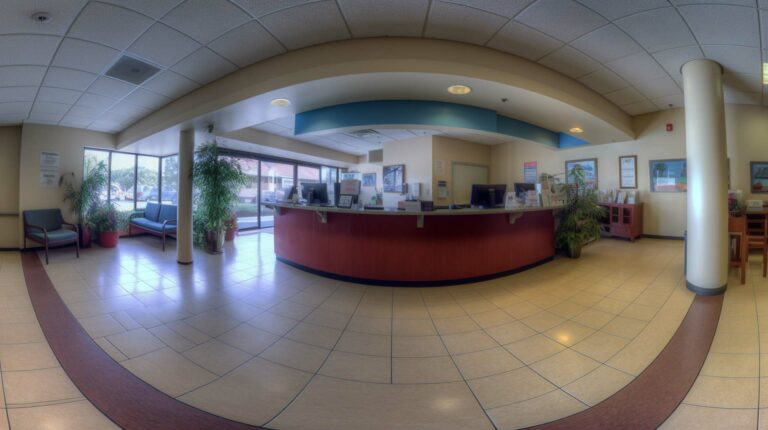
No matter where you are in the region, we’re here to answer your questions and help you work out whether cosmetic surgery in Newmarket, ON is the right next step for you. Once you feel ready, contact us to arrange a private, no-pressure consultation.
