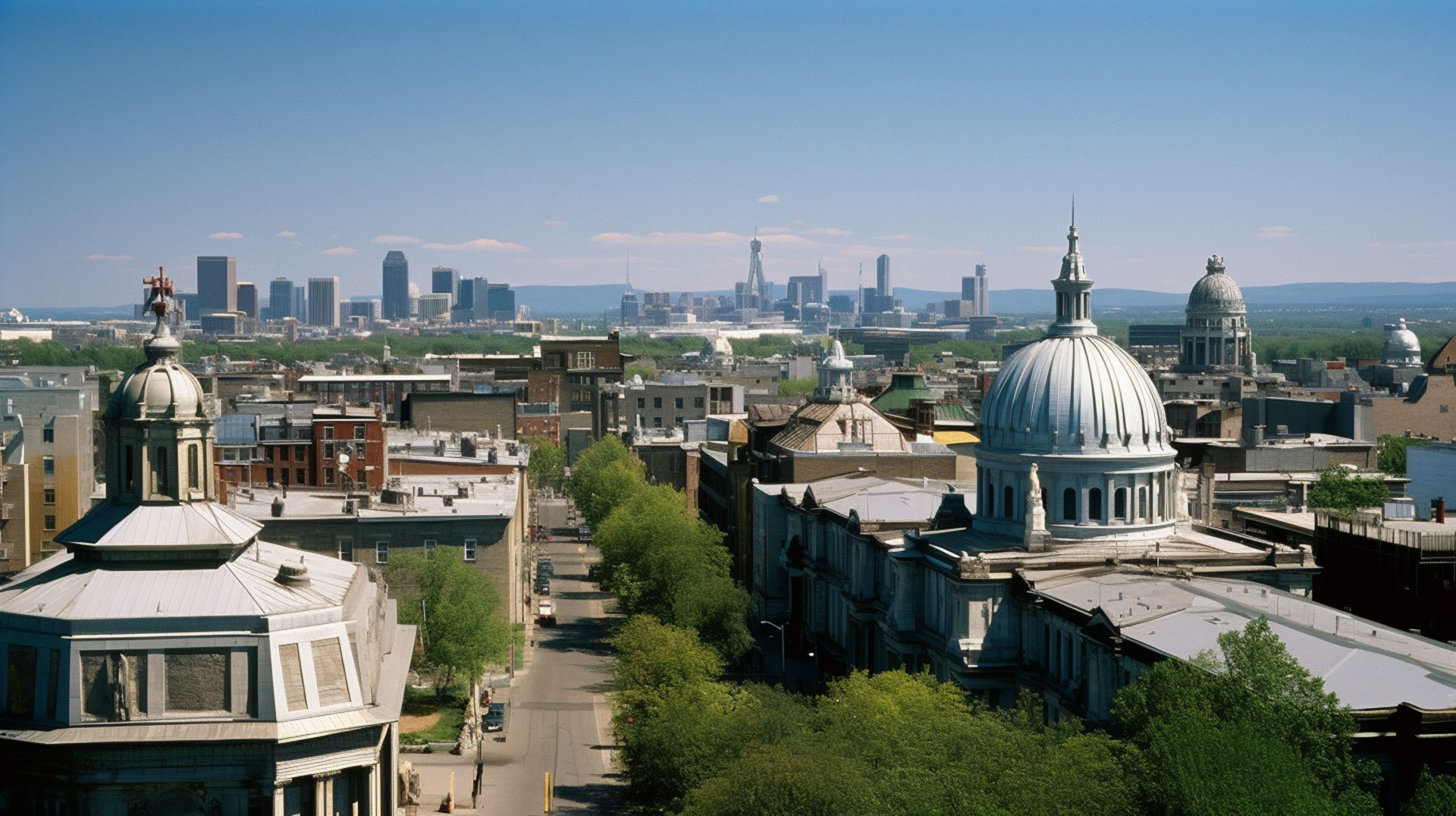
Cosmetic Plastic Surgery in Quebec
In recent years cosmetic surgery has gained popularity in Quebec. Quebec is known for its beautiful landscapes as well as its bustling cities. Residents and visitors can choose from a range of cosmetic surgeries.
There are many options for those who want to improve their appearance.
Cosmetic Plastic Surgery Clinics & Plastic Surgeons Near You
 Alma, QC
 Amos, QC
 Anjou, QC
 Aylmer, QC
 Baie-Comeau, QC
 Beaconsfield, QC
 Beauharnois, QC
 Beauport, QC
 Bécancour, QC
 Beloeil, QC
 Black Lake, QC
- Blainville, QC
 Boucherville, QC
 Brossard, QC
- Buckingham, QC
 Chambly, QC
 Charlesbourg, QC
 Charny, QC
 Châteauguay, QC
 Chicoutimi, QC
 Côte-Saint-Luc, QC
 Cowansville, QC
 Dolbeau-Mistassini, QC
 Dorval, QC
 Drummondville, QC
 Gaspé, QC
- Gatineau, QC
 Granby, QC
 Greenfield Park, QC
 Joliette, QC
- Jonquière, QC
 Kirkland, QC
 La Baie, QC
- La Plaine, QC
 La Prairie, QC
 La Tuque, QC
- Lachine, QC
 Lachute, QC
 L'Ancienne-Lorette, QC
 LaSalle, QC
- L'Assomption, QC
 Laurentides, QC
 Laval, QC
- Lavaltrie, QC
 Lévis, QC
 Longueuil, QC
 Magog, QC
- Marieville, QC
 Mascouche, QC
- Masson-Angers, QC
- Matane, QC
 Mercier, QC
 Mirabel, QC
 Mistassini, QC
 Mont-Laurier, QC
 Mont-Royal, QC
 Montmagny, QC
- Montréal, QC
 Pierrefonds, QC
 Pincourt, QC
- Pointe-Claire, QC
- Québec, QC
 Repentigny, QC
- Rimouski, QC
 Rivière-du-Loup, QC
 Roberval, QC
- Rock Forest, QC
 Rouyn-Noranda, QC
 Saguenay, QC
 Saint-Basile-le-Grand, QC
- Saint-Colomban, QC
 Saint-Constant, QC
- Saint-Eustache, QC
 Saint-Félicien, QC
- Saint-Georges, QC
- Saint-Hyacinthe, QC
 Saint-Jean-sur-Richelieu, QC
- Saint-Jérôme, QC
 Saint-Lambert, QC
 Saint-Laurent, QC
- Saint-Léonard, QC
 Saint-Lin-Laurentides, QC
- Sainte-Adèle, QC
- Sainte-Agathe-des-Monts, QC
 Sainte-Catherine, QC
- Sainte-Foy, QC
- Sainte-Julie, QC
- Sainte-Marie, QC
- Salaberry-de-Valleyfield, QC
- Sept-Îles, QC
- Shawinigan, QC
 Sherbrooke, QC
 Terrebonne, QC
- Trois-Rivières, QC
 Val-des-Monts, QC
 Val-d'Or, QC
- Varennes, QC
- Vaudreuil-Dorion, QC
- Verdun, QC
- Victoriaville, QC
- Westmount, QC
Cosmetic Plastic Surgery Procedures in Quebec
Facial Rejuvenation

Brow Lift (Forehead Lift)

Buccal Fat Removal (Cheek Reduction)

Ear Surgery (Otoplasty)

Eyelid Surgery (Blepharoplasty)

Facelift Surgery (Rhytidectomy)

Facial Fat Grafting (Fat Transfer)

Lip Lift Surgery

Neck Lift (Lower Rhytidectomy)

Nose Surgery (Rhinoplasty)
Frequently Ask Questions (FAQ)
1. What cosmetic plastic surgery procedures are available in Quebec?
Your options for cosmetic plastic surgery in Quebec, Canada can include procedures shaped by your individual goals. Popular procedures include breast surgery, facial surgery, tummy tuck, liposuction, and body contouring after weight loss. The most suitable procedure depends on your anatomy, health, skin quality, and expectations. A consultation helps clarify if your goals are best addressed with surgery, non-surgical treatment, or a combination approach.
2. How can I find a qualified cosmetic plastic surgeon in Quebec?
Choose a physician who is a plastic surgery specialist certified by the Royal College of Physicians and Surgeons of Canada. It is also wise to confirm registration and review any disciplinary history through the College of Physicians and Surgeons of Quebec. Important discussion points include experience with the procedure, comparable results, hospital privileges as needed, and care if complications occur. The right setting allows you to feel heard, informed, and unpressured.
3. When is cosmetic plastic surgery covered by Quebec?
In most cases, Quebec coverage does not apply because cosmetic surgery is performed for aesthetic goals rather than a medical condition. Some procedures may qualify for coverage if they are medically necessary, treat trauma, or improve function. When excess upper-eyelid skin affects vision, upper eyelid surgery may be considered. We can review anticipated charges, any facility costs, and potential Quebec coverage during your consultation.
4. What can I expect at my cosmetic plastic surgery consultation?
Rather than a sales pitch, a proper consultation begins by exploring your concerns. Expect to review medical background, medication use, surgical history, lifestyle, and desired changes. This examination provides information about the elasticity of the skin, volume, facial balance, and body shape. You deserve a straightforward explanation of the options that may suit you, expected scars, recovery, risks, and fees. It is also a chance to discuss what matters to you and evaluate the proposed approach.
5. How safe is cosmetic plastic surgery?
Risks are part of every operation, yet thorough assessment and planning can reduce them considerably. Your safety depends on the procedure itself, your overall health, the setting, anesthesia, and how well you follow recovery instructions. Complications can include bleeding, infection, changes in sensation, scarring, blood clots, and further surgery. Smoking, nicotine products, uncontrolled diabetes, and certain medications can make complications more likely. A thorough assessment and an honest review of your medical history are essential before surgery proceeds.
6. How much downtime should I expect after cosmetic plastic surgery?
The amount of recovery time needed varies with the procedure and the person. Although one to two weeks may be enough for desk-based work after facial surgery, breast surgery, or liposuction, those procedures typically involve more downtime. Bruising and swelling do not disappear immediately, and it can take months for the result to fully develop. Personalized recovery instructions cover key recovery steps, including compression garments, wound care, and activity limits.
7. Will I have visible scars after plastic surgery?
While scars are part of the healing process, the goal is to keep them as inconspicuous as possible. Over many months, scars often change gradually from red or dark pink toward a lighter tone. The final scar can vary based on the procedure and factors such as skin, genetics, sun, tension, and healing behaviour. To support better scar healing, care for the scar as advised, avoid nicotine products, and protect the area from sun.
8. Is it possible to combine cosmetic procedures in one surgery?
Selected patients may benefit from combining procedures, which can involve a single time under anesthesia and one recovery period. Popular surgical pairings are breast lift and augmentation, as well as tummy tuck and liposuction. A combined operation is not automatically the safest, most affordable, or best approach. The decision depends on the duration of surgery, your overall health, possible blood loss, and how complex each procedure is. Any combined approach should be based on safety first, not convenience.
9. What is the difference between plastic surgery and non-surgical cosmetic treatments?
Because it changes tissue surgically, plastic surgery may offer a longer-term change to underlying anatomy. Non-surgical treatments, such as injectable neuromodulators, dermal fillers, laser treatments, and medical-grade skin care, may refresh the appearance with less downtime. For loose skin, significant volume loss, or major contour changes, non-surgical treatments cannot always take the place of surgery. While injectables may smooth lines or replace modest volume, a facelift treats deeper tissue laxity in the face. The right approach is guided by your goals and individual needs.
10. How can I prepare for cosmetic plastic surgery in Quebec?
Begin preparing early enough to complete each recommended step. Plan ahead by arranging time off, practical support, and a reliable ride after the procedure. It is important to report medications, supplements, allergies, medical issues, and nicotine or cannabis use. You may need to stop some products ahead of surgery if they affect bleeding or healing. A smoother return home starts when you get your prescriptions early, prepare simple meals, and set up a comfortable place to rest.