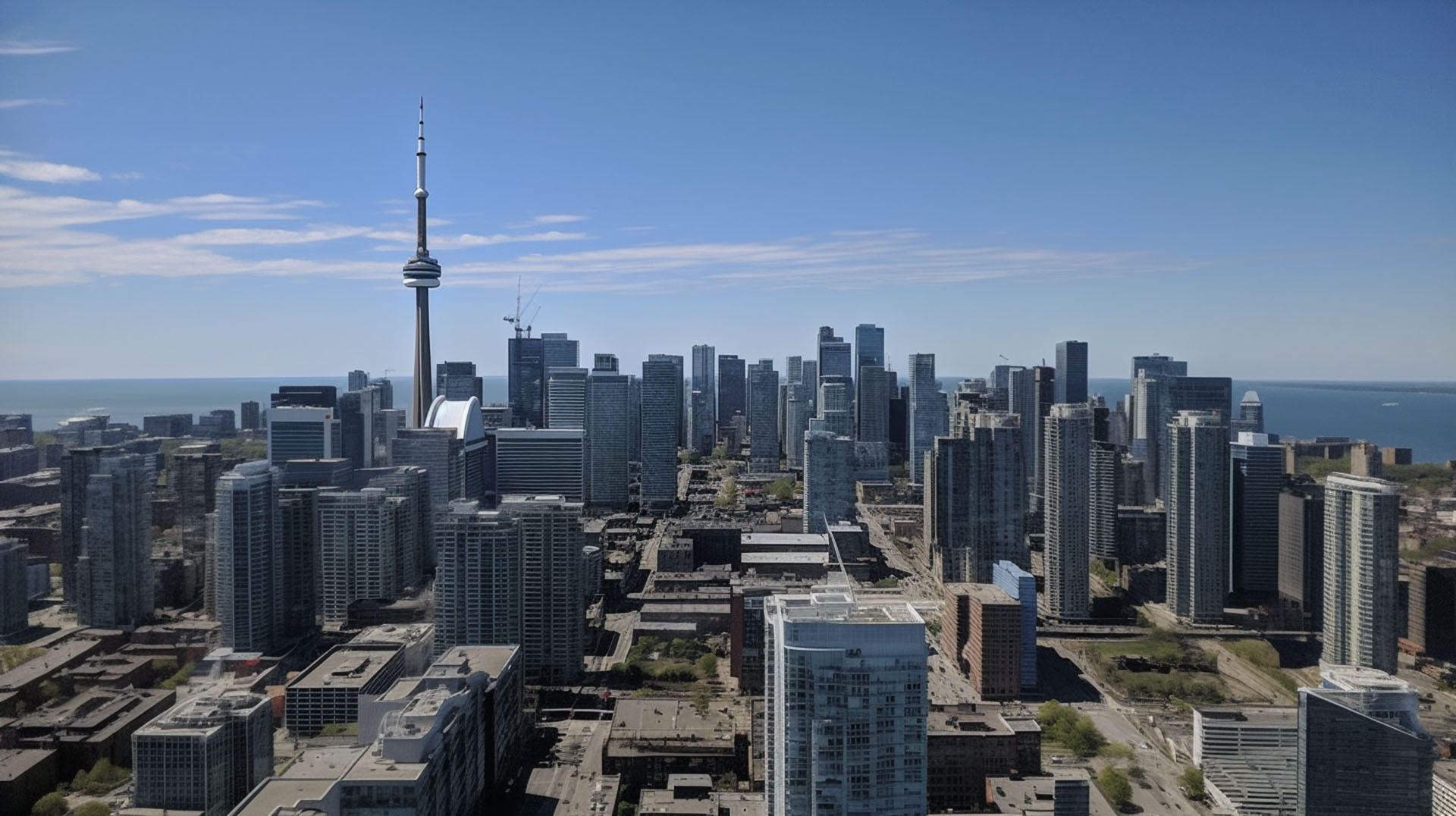
Cosmetic Plastic Surgery in Ontario
In the last few years, plastic surgery and cosmetic surgery have become more popular in Ontario. Ontario is known for its beautiful landscapes as well as its bustling cities. Residents and visitors can choose from a range of cosmetic surgeries.
From facelifts to tummy tucks, there are numerous options available to those seeking to enhance their appearance.
Cosmetic Plastic Surgery Clinics & Plastic Surgeons Near You
 Ajax, ON
 Alliston, ON
 Amherstburg, ON
 Ancaster, ON
 Arnprior, ON
 Aurora, ON
 Barrie, ON
 Belleville, ON
 Bolton, ON
 Bowmanville, ON
 Bradford, ON
 Brampton, ON
 Brant, ON
- Brantford, ON
 Brockville, ON
 Burlington, ON
 Caledon, ON
 Cambridge, ON
 Carleton Place, ON
 Chatham, ON
 Clarington, ON
 Cobourg, ON
 Collingwood, ON
- Cornwall, ON
 Courtice, ON
 Dundas, ON
 Elgin, ON
 Elliot Lake, ON
 Etobicoke, ON
 Fergus, ON
- Fort Erie, ON
 Georgetown, ON
 Gloucester, ON
- Guelph, ON
 Halton Hills, ON
- Hamilton, ON
 Hanover, ON
 Hawkesbury, ON
- Huntsville, ON
- Ingersoll, ON
- Innisfil, ON
- Kanata, ON
 Kawartha Lakes, ON
 Kenora, ON
 Keswick, ON
 Kincardine, ON
 Kingston, ON
 Kingsville, ON
 Kitchener, ON
- Leamington, ON
 Lindsay, ON
- London, ON
 Markham, ON
- Midland, ON
- Milton, ON
 Minesing, ON
 Mississauga, ON
 Nepean, ON
 New Hamburg, ON
 Newmarket, ON
- Niagara, ON
- Norfolk County, ON
- North Bay, ON
- Oakville, ON
 Orangeville, ON
- Orillia, ON
 Orléans, ON
 Oshawa, ON
 Ottawa, ON
- Owen Sound, ON
- Paris, ON
 Pembroke, ON
 Perth, ON
- Petawawa, ON
- Peterborough, ON
- Pickering, ON
- Port Colborne, ON
- Port Hope, ON
- Renfrew, ON
- Richmond Hill, ON
 Rockland, ON
- Russell, ON
- Sarnia, ON
- Sault Sainte Marie, ON
- Scarborough, ON
 Simcoe, ON
- St. Catharines, ON
- St. Thomas, ON
- Stouffville, ON
- Stratford, ON
 Strathroy, ON
- Sudbury, ON
 Tecumseh, ON
- Thornhill, ON
- Thunder Bay, ON
- Tillsonburg, ON
 Timmins, ON
- Toronto, ON
- Trenton, ON
 Uxbridge, ON
- Vaughan, ON
- Wasaga Beach, ON
 Waterdown, ON
- Waterloo, ON
- Welland, ON
- Weston, ON
- Whitby, ON
 Willowdale, ON
- Windsor, ON
 Woodbridge, ON
 Woodstock, ON
- York, ON
Cosmetic Plastic Surgery Procedures in Ontario
Facial Rejuvenation

Brow Lift (Forehead Lift)

Buccal Fat Removal (Cheek Reduction)

Ear Surgery (Otoplasty)

Eyelid Surgery (Blepharoplasty)

Facelift Surgery (Rhytidectomy)

Facial Fat Grafting (Fat Transfer)

Lip Lift Surgery

Neck Lift (Lower Rhytidectomy)

Nose Surgery (Rhinoplasty)
Frequently Ask Questions (FAQ)
1. What cosmetic plastic surgery procedures are available in Ontario?
Your options for cosmetic plastic surgery in Ontario, Canada can include procedures shaped by your individual goals. Patients often ask about breast augmentation, breast lift, tummy tuck, liposuction, facelift, eyelid surgery, rhinoplasty, and body contouring after weight loss. Your anatomy, health, skin quality, and expectations will shape which option may suit you best. During a consultation, you can learn whether surgery, non-surgical care, or a blend of both is most appropriate.
2. What helps patients choose a qualified Ontario cosmetic plastic surgeon?
Look for a physician certified by the Royal College of Physicians and Surgeons of Canada in plastic surgery. You can also use the College of Physicians and Surgeons of Ontario, to check professional registration and any disciplinary record. You should ask directly about experience with your procedure, before-and-after photos of comparable patients, hospital privileges when relevant, and how complications are managed. You should never be rushed, and you should leave feeling heard and informed.
3. When is cosmetic plastic surgery covered by Ontario?
Because cosmetic procedures are usually chosen for aesthetic reasons rather than medical treatment, Ontario generally does not cover them. Surgery may be covered when its purpose is to address trauma, function, or medical necessity. For example, upper eyelid surgery may be considered when upper-lid skin obstructs vision. During the consultation, you will receive information about procedure costs, likely facility fees, and the relevance of Ontario.
4. What should I expect during a cosmetic surgery consultation?
The first focus should be your questions and priorities, not a hard sell. The conversation will cover your overall health, current medicines, surgical history, lifestyle, and expected result. The examination is used to evaluate factors such as skin elasticity, volume, facial balance, and body contour. You should be clearly informed about suitable options, scars, recovery, risks, and costs. You can use the consultation to ask direct questions and decide if the recommended plan feels right.
5. What risks should I know about cosmetic plastic surgery?
Risks are part of every operation, yet a thoughtful surgical plan can greatly reduce risk. Several factors affect safety, including your individual health factors, the procedure, anesthesia, and proper aftercare. Complications can include bleeding, infection, changes in sensation, scarring, blood clots, and further surgery. Risk is higher for patients with uncontrolled diabetes, smoking or nicotine use, or particular medication use. A thorough assessment and an honest review of your medical history are essential before surgery proceeds.
6. What is the recovery time for cosmetic plastic surgery?
Recovery is different for every procedure and every patient. Although one to two weeks may be enough for desk-based work after facial surgery, breast surgery, or liposuction, a longer break is often needed for a tummy tuck or body lift. While swelling and bruising improve gradually, the final appearance can take months to emerge. Personalized recovery instructions cover wound care, appropriate activity levels, driving, exercise, garment use, and return visits.
7. What should I know about scars from cosmetic plastic surgery?
Surgery creates scars, yet the goal is to place incisions discreetly and support healing well. During healing, scars often fade gradually over several months, becoming lighter in colour. The final scar can vary based on the procedure and factors such as skin, genetics, sun, tension, and healing behaviour. To support better scar healing, care for the scar as advised, avoid nicotine products, and protect the area from sun.
8. Is it possible to combine cosmetic procedures in one surgery?
When appropriate, combining procedures can offer the convenience of a single anesthetic and one recovery process. Common combinations include breast augmentation combined with a breast lift, or liposuction combined with a tummy tuck. Convenience does not mean a combined surgery is automatically the right approach for all goals. Whether to combine procedures is based on the procedure length, your medical condition, blood-loss considerations, and surgical complexity. Any combined approach should be based on safety first, not convenience.
9. What is the difference between plastic surgery and non-surgical cosmetic treatments?
Plastic surgery involves an operation that changes tissue, which can lead to long-term contour and structural improvement. Treatments including neuromodulators, fillers, laser treatments, and medical-grade skin care can improve appearance with less downtime than surgery. They may not provide the same correction as surgery for skin laxity, substantial volume loss, or major changes in contour. For deeper facial laxity, a facelift may be appropriate, while injectables are often used to smooth wrinkles or restore a modest amount of fullness. What is most appropriate depends on your concern.
10. How can I prepare for cosmetic plastic surgery in Ontario?
Preparation should begin long before the day of surgery. You should organize time away from work, help at home if needed, and reliable transportation after surgery. Tell us about your medications, supplements, allergies, health conditions, and nicotine or cannabis habits. Because some products can make healing more difficult or raise bleeding risk, you may be asked to stop them before surgery. It helps to have prescriptions ready, prepare simple food, and set up a comfortable recovery area.